Humidifier

Humidifier Parts, Accessories & Repair Help


If you find that your home or the room that you are staying is too dry, this means that your humidifier is misbehaving. We, Obinlinks Repair are here to repair your humidifier and make it working again. Below we have more help in describing some of the symptoms that are experienced by a faulty humidifier.


Parts for Humidifier Common Symptoms

Cause 1

Float
If the reservoir overfills the float valve might not be shutting off properly. When the float is lifted it should stop letting water into the reservoir. If water continues to flow then the float valve is likely stuck or jammed open and should be replaced.

Cause 2

Water Inlet Valve
Normally, once the environment reaches the proper level of humidity, the humidistat turns off, cutting power to the water inlet valve. If the humidstat turns off but the water inlet valve still doesn’t close, the valve might be stuck open. To determine if the water inlet valve is stuck open, disconnect the power to the humidifier and see if water still flows through the valve. If water flows through the water inlet valve even when the valve isn’t getting power, the valve is stuck open. If the valve is stuck, replace it. Water inlet valves are not repairable—if the water inlet valve is defective, you must replace it.

Cause 1

Drive Belt
The drive belt might have broken or stretched out too much. If the motor is still working and the drive belt is in place but seems to be slipping, replace the drive belt. If the drive belt is broken it will have to be replaced. A broken drive belt usually does not indicate any other problem, over time they simply dry out and break. If the humidifier drum won’t turn, the drive belt might be broken or stretched out. First, make sure that the drive motor is working properly. If the drive motor is working, inspect the drive belt. If the drive belt is loose or broken, replace it.

Cause 2

Drive Motor
If the drum does not rotate and the drive motor is not turning, check to be certain the motor is getting power from the humidistat. If the motor is working but doesn't seem to have the strength to turn the drum, replace the drive motor. If the drive motor is clicking or only seems to spin the drum partway before giving up, replace the drive motor. If the humidifier drum won’t turn, the drive motor might be defective. First, make sure that the motor is getting power. If the motor Is getting power

Cause 1

Water Panel Distribution Tray
The water distribution tray sits at the top of the water evaporator pad. It is designed to direct the flow of water over the evaporator pad so that the water drips evenly into the pad. If the distribution tray is out of place, clogged, or cracked, water will not drip into the water evaporator pad.

Cause 2

Water Line
One of the water lines might be broken or out-of-position. Check the water line from the water inlet valve to the water evaporator pad, and check the water line from the bottom of the humidifier. If the water line is clogged, try cleaning it out. If the water line still leaks after you clean it out, replace the water line.

Cause 3

Water Evaporator Pad
The water evaporator pad might be clogged with calcium and other mineral deposits. Once the water evaporator pad is clogged, the water rides along the top of the pad and drips down outside of the water collection tray at the bottom. If water does not exit properly check the water evaporator pad and replace as needed. If the humidifier doesn’t drain properly, the water evaporator pad might be clogged with mineral deposits. If the water evaporator pad is clogged, the water will slide over the evaporator pad and drip outside of the water collection tray. Check the water evaporator pad—if the pad is clogged, replace it.

Cause 1

Humidistat
If the humidistat is incorrectly set or isn't working properly, the humidifier won't fill with water. To determine if the humidistat is defective, turn the humidistat to the highest setting and listen for a "click." If you do not hear a click, this indicates that the electrical contacts inside the humidistat are not closing. If you do hear a click, but the humidifier still won't fill with water, it is more likely that another part is defective.

Cause 2

Clogged Saddle Valve
The saddle valve is a small brass water supply valve which is often clamped to a copper household water supply pipe. Over time, the saddle valve can become clogged with sediment or calcium deposits. Because it is difficult to clean a saddle valve thoroughly, and because the replacement cost is fairly low, we recommend replacing the saddle valve if it is restricted.

Cause 3

Water Inlet Valve
The water inlet valve is an electrically-controlled valve that opens to allow water to enter the humidifier. If the water inlet valve is clogged or defective, the humidifer will not fill with water. Use a multimeter to test the valve for continuity. If the water inlet valve does not have continuity, replace it. In addition, test the incoming power to the valve. If the water inlet valve has continuity and is getting power, but the humidifier won't fill with water, it is possible that the valve is clogged. If the water inlet valve is clogged, replace it.

Cause 1

Humidistat
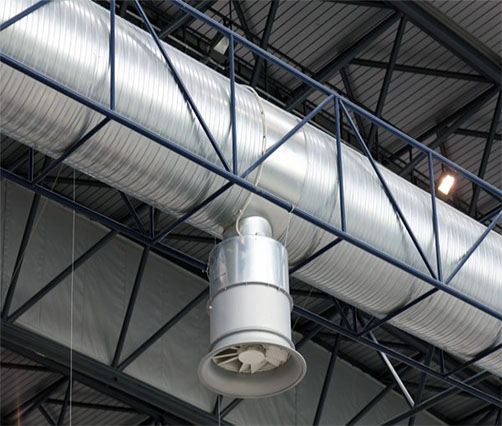
Turn the humidstat to its highest setting and listen for a “click.” The clicking sound indicates that the contacts inside the humidstat are closing to provide power to the humidifier. If the humidistat is providing power but the blower fan still doesn’t work, the blower motor itself might be defective.

Cause 2

Blower Motor
Try spinning the blower fan blade by hand. If the fan blade does not spin freely, replace the blower motor. If the fan blade spins freely, use a multimeter to test the blower motor for continuity. If the motor does not have continuity, replace it. If the blower motor spins freely and has continuity, make sure it is getting power. If the motor is not getting power, replace it.